

Learning System Design
When Design Addresses the Systemic Issue
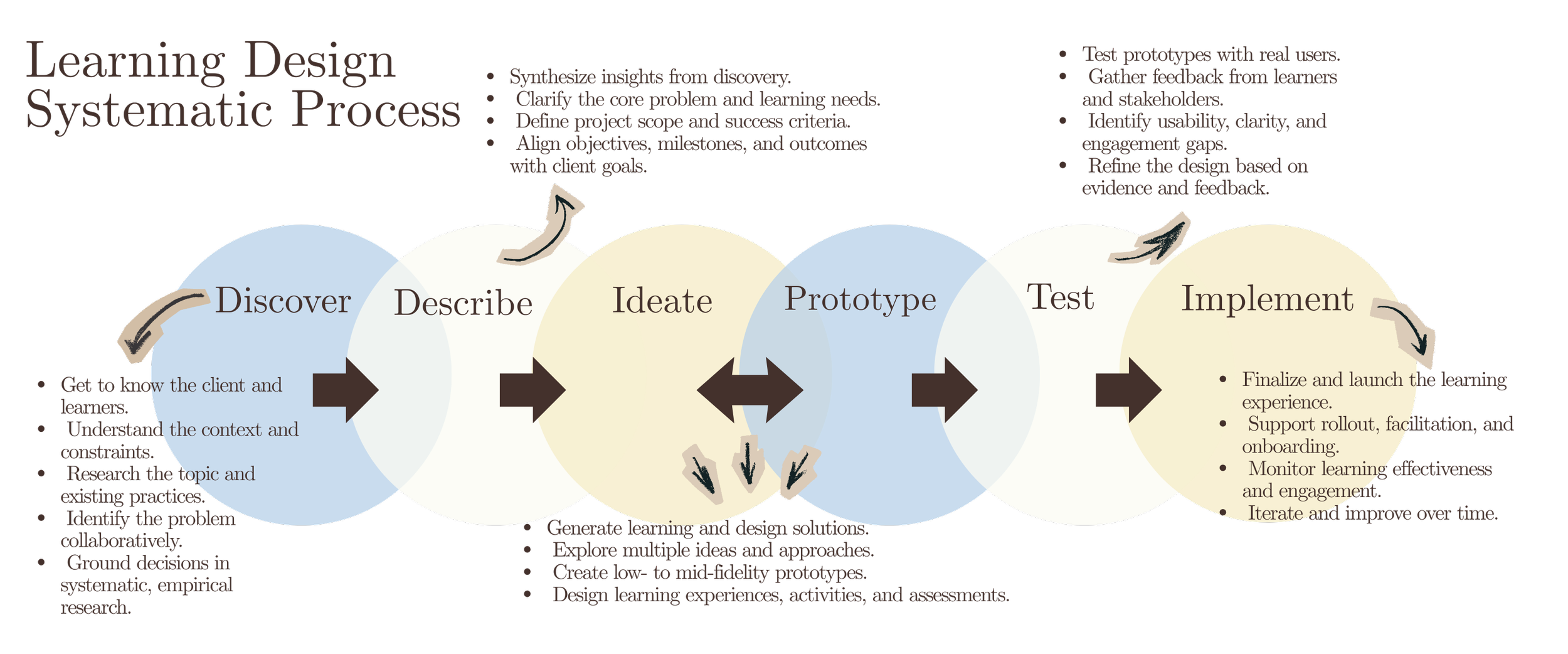
Learning design for systemic change is a research-based, human-centred approach to creating meaningful and sustainable impact. Using a structured design process, learning experiences are intentionally shaped around real people, real contexts, and real challenges.
By grounding decisions in research, collaboration, and iterative testing, learning design moves beyond content delivery to support long-term change at both individual and systemic levels in research, collaboration, and iterative testing, learning design moves beyond content delivery to support long-term change at both individual and systemic levels.
In my work, learning design is used as a tool to address inequities embedded within educational systems. Through deep discovery, collaborative problem definition, and evidence-informed design, I create learning experiences and structures that actively support inclusion, clarity, and long-term growth.
Each design decision is intentional—shaped by research, user needs, and iterative testing—to ensure that learning environments do not reproduce existing barriers, but instead create conditions where diverse learners can succeed.
What is Learning Design for Systemic Change?

View My Projects
-
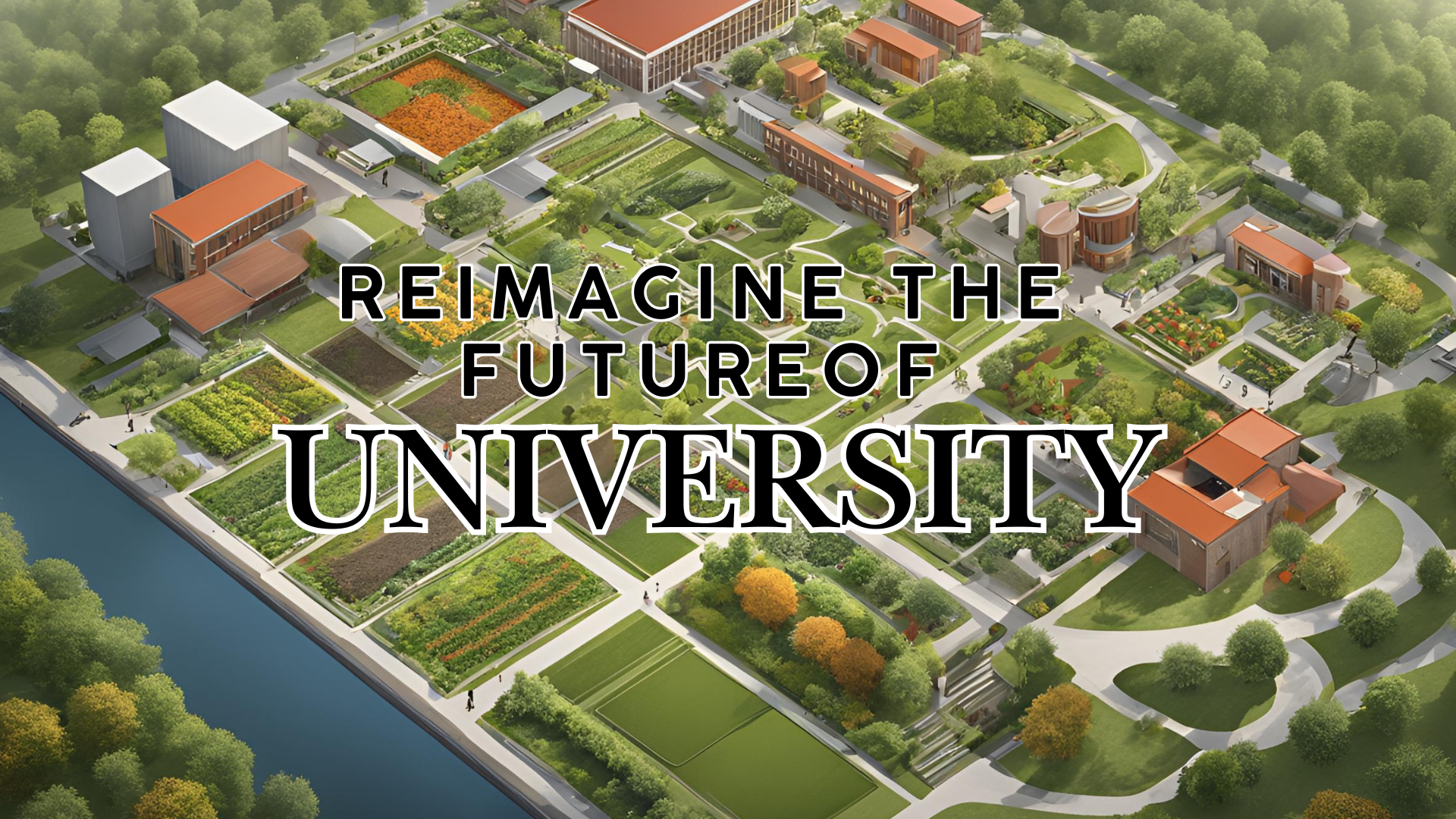
Reimagine the Future of Universities
In a time of uncertainty, higher education is being reexamined. What might an alternative model look like—one that blends practical experience, sustainability, and professional internships within a liberal arts framework?
-

When Research Wins, Teaching Loses
Redesigning a Wicked Problem in Higher Education. When teaching is often overlooked in PhD training, what might a redesigned model look like—one that values pedagogy alongside research and equips doctoral students with meaningful teaching experience?
-

Design for Language Foundational Skills
Curriculum design for foundational literacy skills that begins with identifying a real learning gap, is informed by research and best practices, and evolves through iterative testing and refinement. The process leads to a competency-based framework that ensures students build essential skills progressively, with a strong focus on measurable outcomes, accessibility, and meaningful learning experiences.