
Curriculum Design for Digital Learning
Designing intentional learning experiences for K-12 and Higher Education.
Overview
My curriculum design process focuses on creating intentional and effective learning experiences for digital environments. I begin by understanding the learners and the learning context, while carefully considering the audience, the mode of learning, and the delivery format. I also design flexible assignments that allow for differentiated instruction and multiple ways for students to demonstrate their learning. Each year, the curriculum is reviewed and adapted based on feedback, student outcomes, and evolving learning needs to continuously improve the learning experience.
Design Process
01 | Start with the Learning Problem
Understand the context before designing.
I begin by understanding the learning context, including who the learners are and what problem the course aims to address. This stage helps identify learner needs, constraints such as technology or time, and clarifies the goals that guide the curriculum design.
Focus: Identify the learners, define the problem the course aims to solve, consider existing constraints such as technology, time, and curriculum standards, and understand what faculty need and want from the course design.
Output: Define the learner profile, clearly state the problem the course addresses, and establish the overall goals of the course.

02 | Define Clear Learning Outcomes
Learning outcomes guide the entire design.
Learning outcomes provide the foundation for the course design by identifying the knowledge and skills students should demonstrate. These outcomes ensure that learning activities and assessments are aligned with meaningful goals.
Focus: Measurable learning objectives, ensure alignment between outcomes and assessments, and define the skills students should demonstrate.
Output: Define the learning outcomes, outline the assessment strategy, and establish the competency goals students are expected to achieve.

03 | Design the Learning Experience
Structure how students will learn.
At this stage, I structure the learning journey by organizing course modules, activities, and assessments. The design focuses on active learning, clear progression, and meaningful engagement with the course content.
Focus: Designing course modules and their progression while incorporating active learning activities such as discussions, projects, and practice.
Design Principles: Backward Design, Cognitive Load Management, Learner-Centred Design, Scaffolding, Active Learning, Authentic Assessment, Universal Design for Learning, Accessibility and Inclusivity, and Iterative Improvement

04 | Build the Digital Course
Translate the design into an online learning environment.
The design is translated into an accessible digital learning environment using an LMS and multimedia resources. This stage focuses on clear navigation, interactive learning materials, and accessible course design.
Focus: Organizing the course within the LMS (e.g., Canvas or Moodle), integrating multimedia and interactive materials, and ensuring accessibility with clear and intuitive navigation.
Output: Provide a structured online course that includes digital learning materials, clear student instructions, and accessible resources to support learning

05 | Evaluate and Improve
Use feedback and data to refine the course.
After implementation, I review learner feedback and course data to evaluate the effectiveness of the design. Insights from this stage inform revisions and continuous improvement of the learning experience.
Focus: Evaluate student feedback, engagement analytics, and the extent to which learning outcomes are achieved.
Output: Implement course improvements, update learning materials, and enhance the overall learner experience.

K–12 Digital Curriculum
When designing digital learning modules for K–12 students, the focus is on providing clear scaffolding and structured guidance so learners can progress step by step. Lessons should include interactive activities and visual elements that help maintain attention and support understanding. The design also emphasizes consistent skill development and practice, allowing students multiple opportunities to apply what they learn and build confidence over time.
Designing for Different Learners
Higher Education Digital Curriculum
When designing digital learning modules for higher education, the focus is on supporting independent learning and self-directed exploration. Courses are structured to encourage discussion, research, and critical thinking, allowing students to engage deeply with course concepts. The design also emphasizes real-world problem solving, where students apply knowledge through projects, analysis, and practical applications that connect learning to professional or societal contexts.
Projects
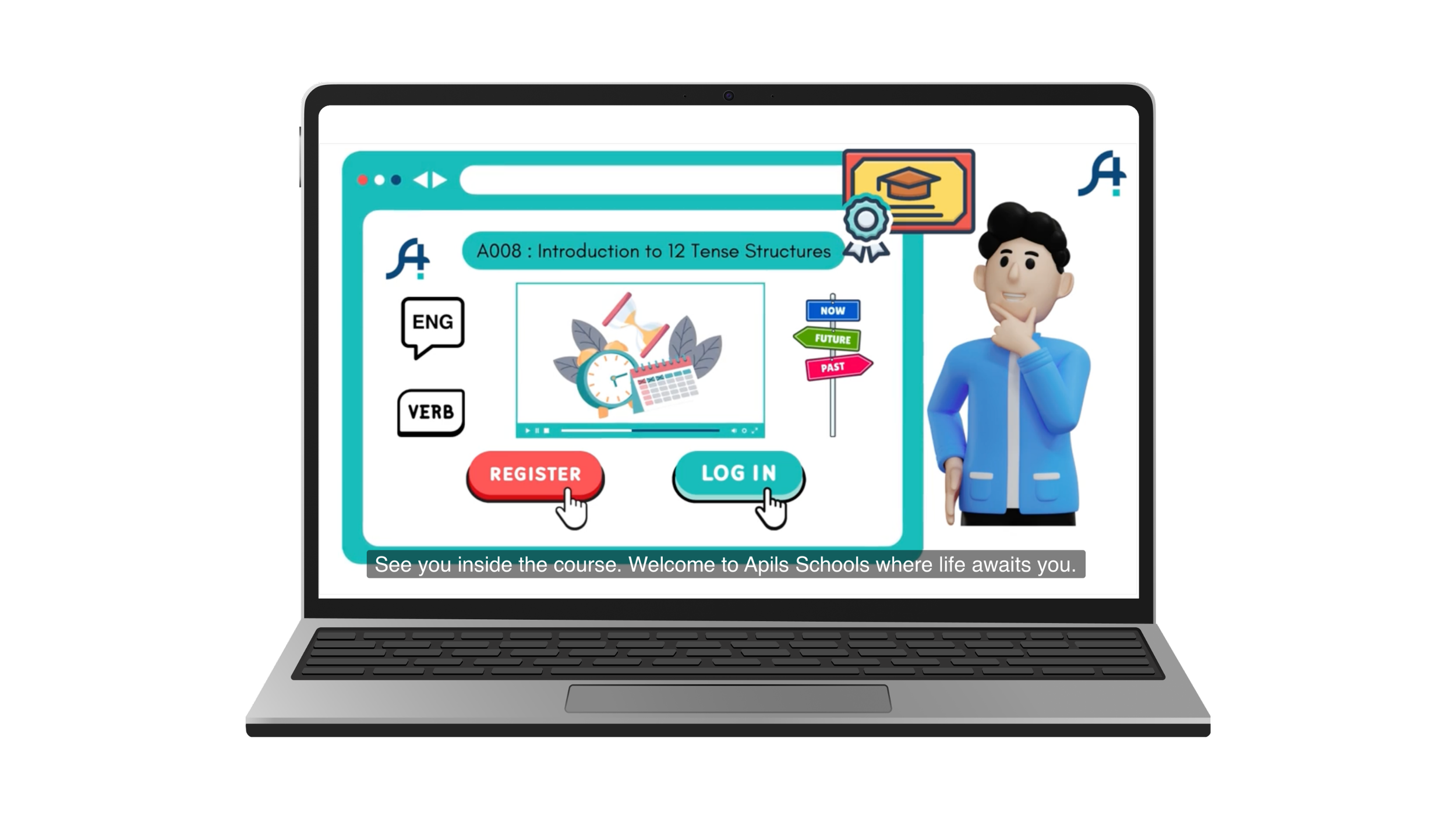
K-12 Course - 12 Grammatical Tenses
This curriculum was designed for ESL learners to build a strong foundation in English grammar through a structured study of the twelve English tense forms. The course is organized into progressive modules with activities that support reading, writing, speaking, and listening skills.
The design supports both synchronous and asynchronous learning, allowing teachers to guide lessons while students also practice independently. It includes a variety of physical learning resources, such as worksheets and guided exercises, to reinforce grammar patterns and provide consistent practice for language development.
(learn more by clicking the image)
Undergraduate Level Graphic Design Course
This course introduces students to the fundamentals of graphic design through project-based learning using Adobe Illustrator, Photoshop, and InDesign. Students develop visual communication skills while exploring core design principles such as typography, composition, color theory, and visual hierarchy.
The curriculum guides students through a sequence of creative projects, from early sketches and drafts to final portfolio pieces, helping them build both technical design skills and a professional digital portfolio.
(learn more by clicking the image)