

Digital Learning and AI
When Technology Expands Learning Accessibility
Digital Learning Projects
K-12 and Higher Education
Digital learning expands access by removing many of the barriers that limit who can participate in education. In K–12 settings, I design structured and scaffolded modules that guide students step by step, combining online instruction with hands-on activities, interactive tasks, and ongoing assessment. This allows students to actively practice what they learn while supporting different learning styles and reaching those in remote or underserved areas.
In higher education, digital learning creates flexible and inclusive spaces for independent thinking and collaboration. Through online modules, discussions, and project-based work, students can learn at their own pace while still engaging in meaningful academic dialogue. When designed intentionally, these environments extend learning beyond the classroom and open access to more diverse and global communities.
-

Curriculum Design
A structured curriculum design process that transforms ideas into effective courses for K–12 and higher education through research, backward design, aligned learning outcomes, and engaging learning experiences.
-
Learning Modules
A learning module design process that organizes content into clear Canvas pages, supporting navigation, engagement, and understanding through intentional layout, sequencing, and interactive elements for K–12 and higher education.
-
Video and Interaction
A video and interaction design that introduces courses through engaging visuals, interactive maps, and embedded quizzes, allowing students to explore content, understand structure, and build confidence before beginning learning.
-
Digital Online Assessment
A digital assessment design that enables students to demonstrate learning through written tasks, discussions, quizzes, and multimedia submissions, while providing clear expectations, consistent feedback, and measurable learning outcomes.
AI and Assistive Technology Projects
Assistive technologies like eye tracking tools, speech-to-text systems, and adaptive interfaces can support learners with different cognitive, physical, and language needs. I see these tools as a way to meet students where they are, allowing them to engage with content in ways that fit their abilities and how they learn best.
For me, integrating AI and assistive technology is not about replacing human learning. It is about creating more inclusive spaces where students feel a sense of belonging and have real opportunities to participate, access learning, and succeed.
-

AI in Higher Education
This project explores how artificial intelligence can support career readiness for liberal arts students by connecting universities, students, and employers. The model proposes an AI-supported ecosystem that integrates mentorship, career exploration, and real-world learning throughout the student journey.
-

Technology Tools in Learning
This website report explores how Tobii eye-tracking technology can support learning by improving attention, engagement, and accessibility. The project examines how assistive technology can help educators better understand student interaction and design more inclusive learning experiences.
-

Female Health Technology
The evolution of female health technology, from early innovations to oral contraceptives, has given women greater control over their bodies and life choices—showing how technology can deeply shape health and society. It highlights how even small medical advancements can create lasting social change.
-
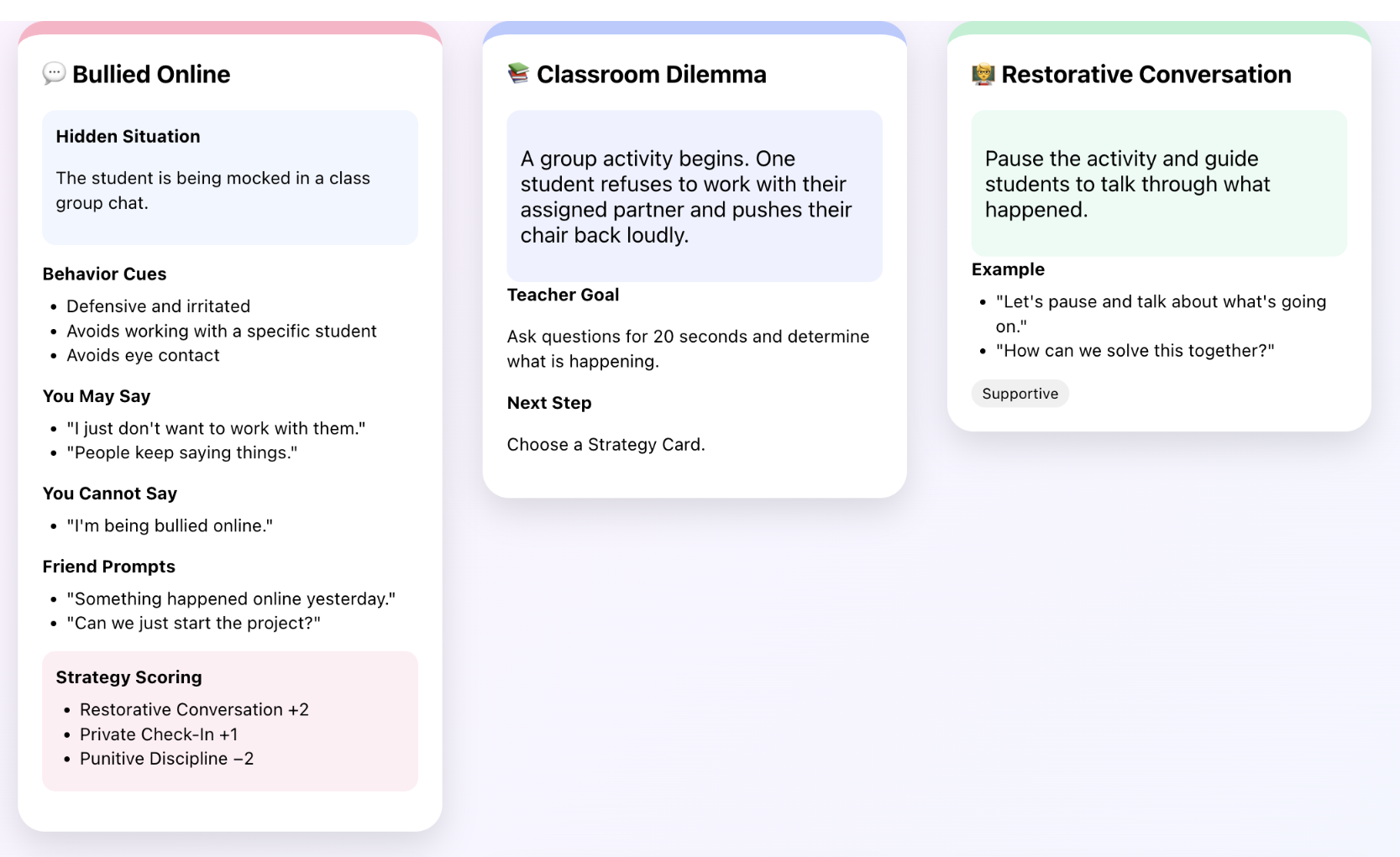
My Other AI Work Creations
Coming Soon! Get Ready to view my other AI images, videos and website mock up creations on here.