

Learning beyond the classroom
Learning should never be limited to passive instruction. In my classroom, I prioritize transferring foundational knowledge into meaningful skills through active, hands-on experiences. Once students understand core concepts, they apply them through movement, collaboration, and real-world engagement.
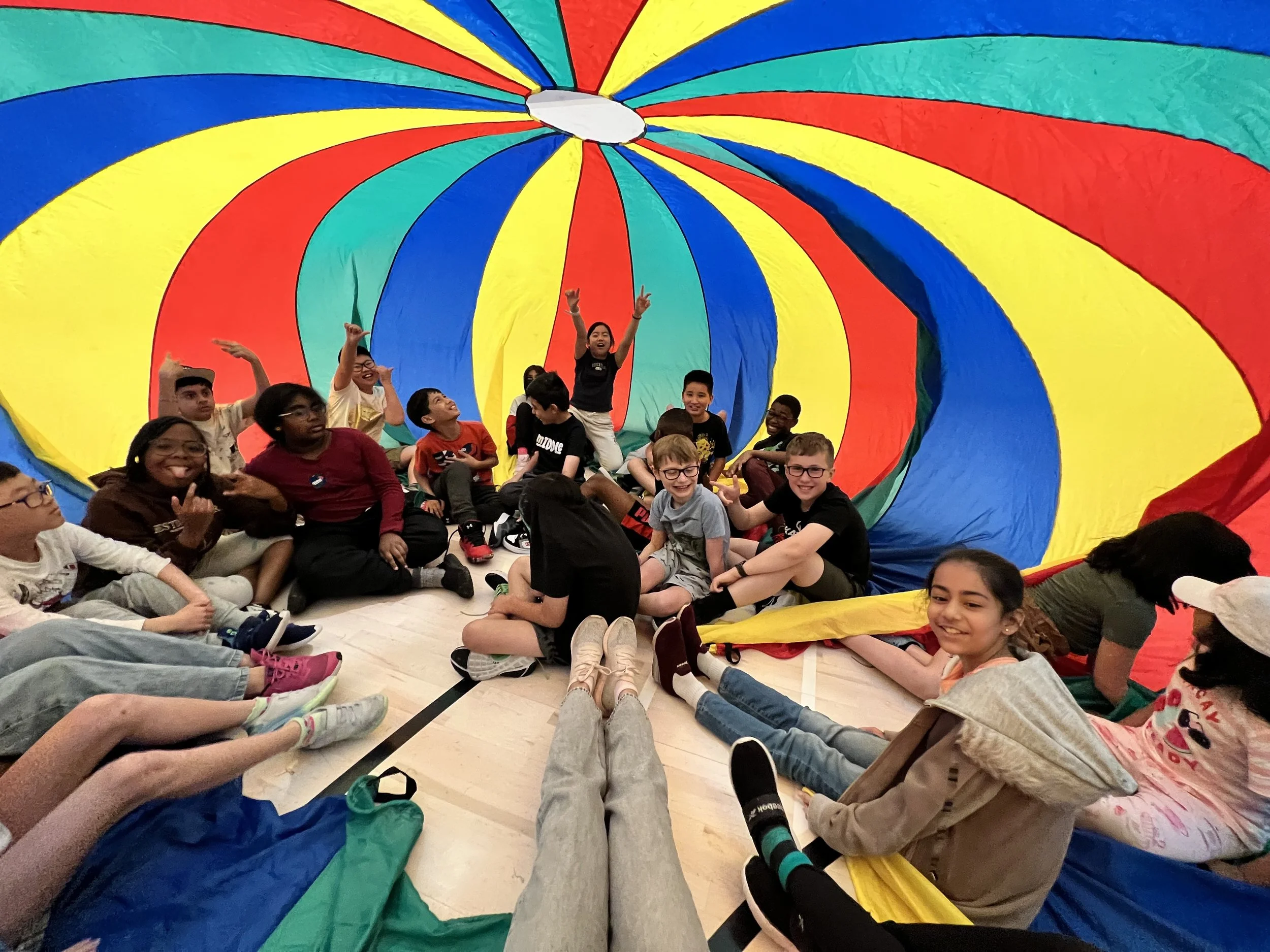
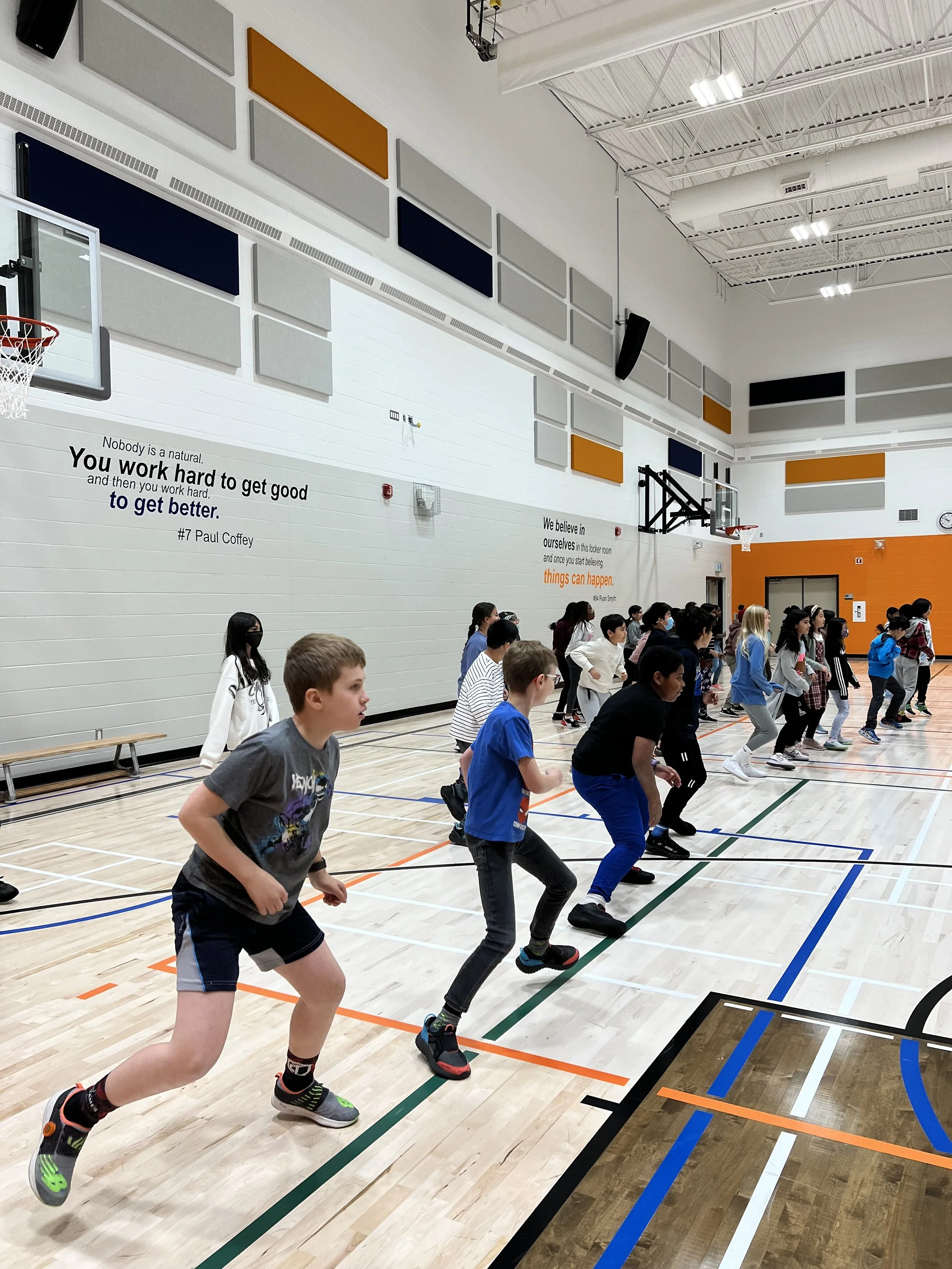
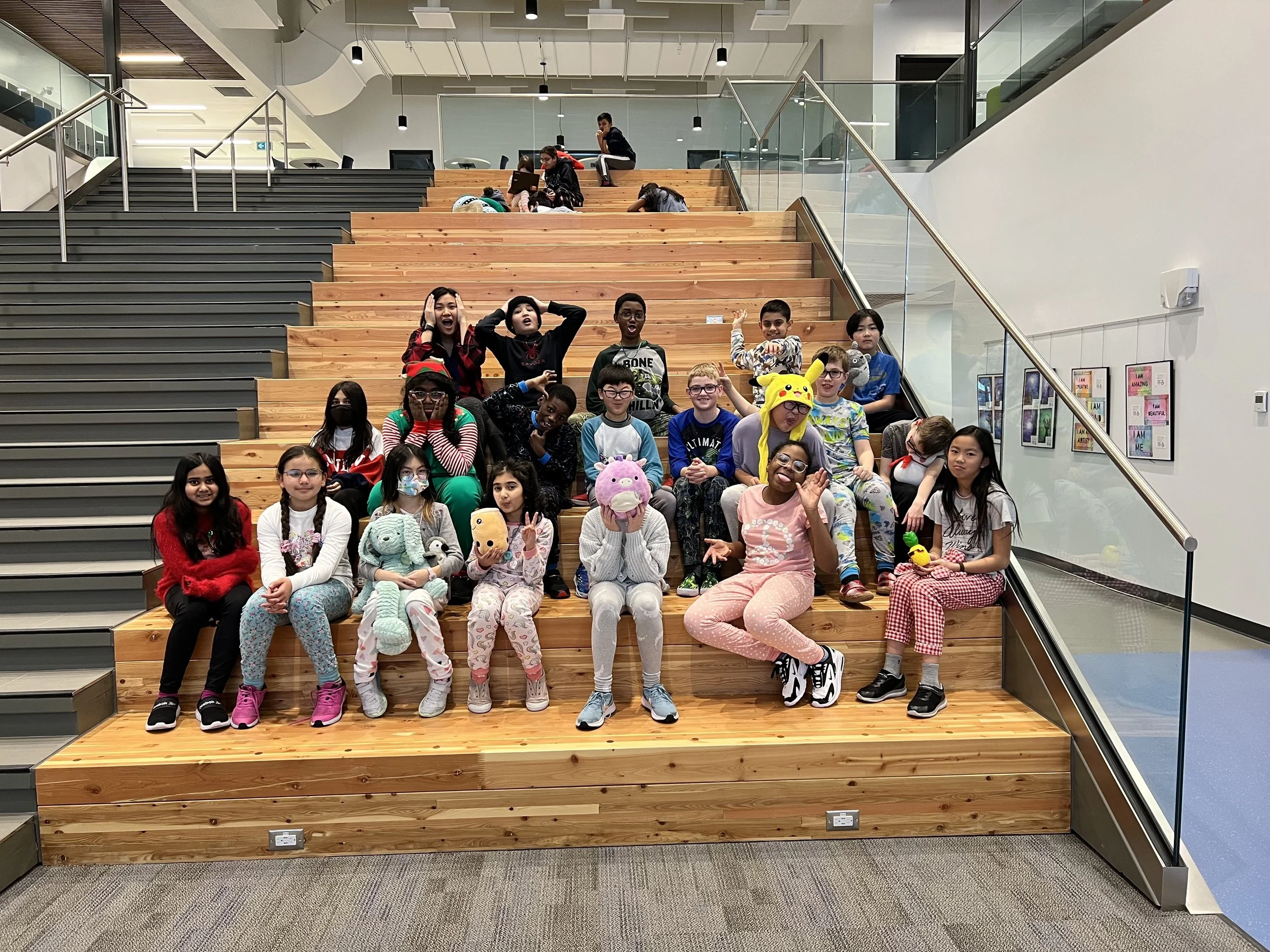
Outdoor learning plays an important role in this process. Through cooperative games and sensory-based activities, students build teamwork skills while developing a stronger understanding of themselves and their peers. Movement becomes a tool for connection. Students explore identity, practice communication, and learn how to support one another in shared tasks, strengthening both social and academic growth.
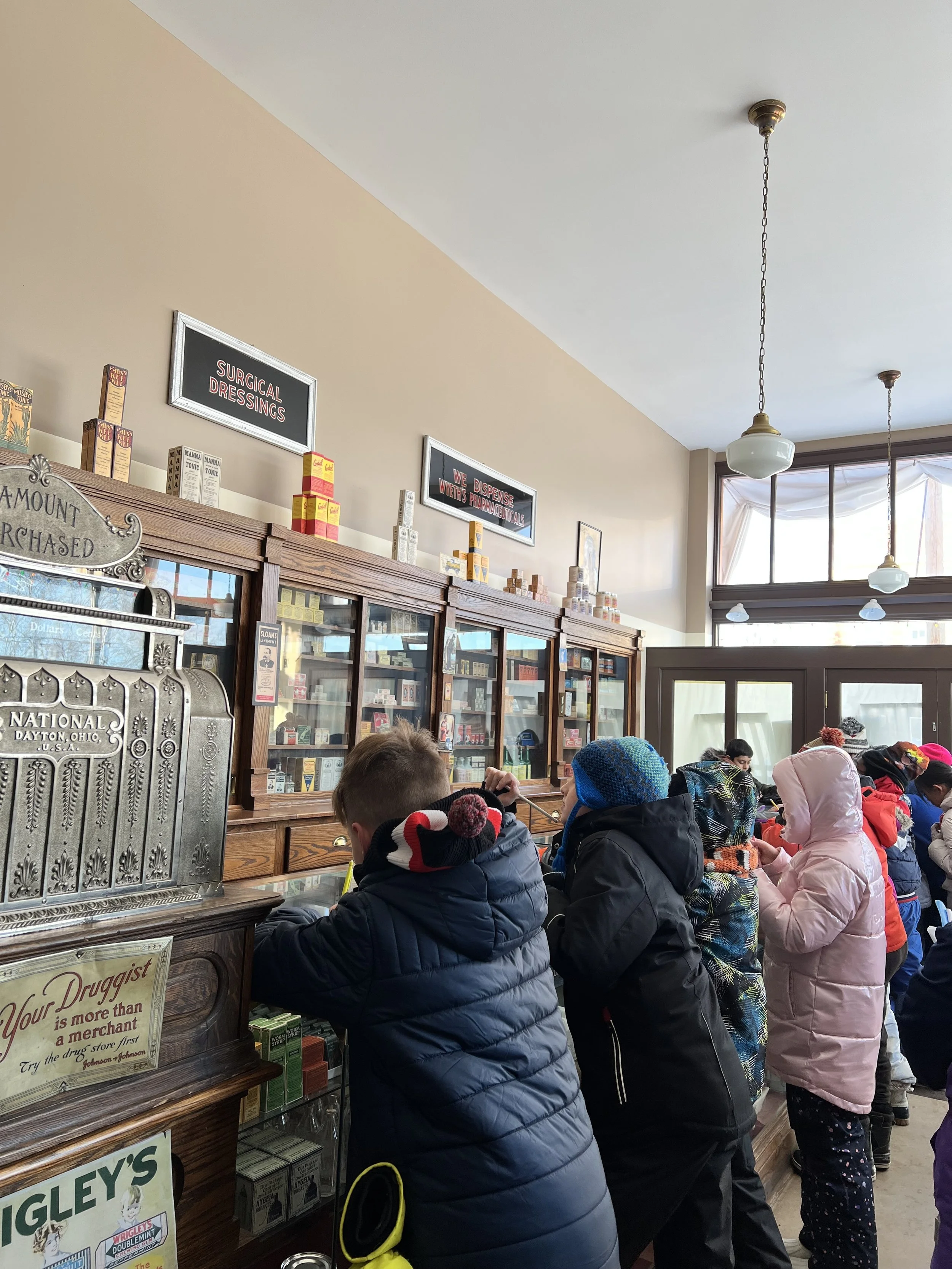
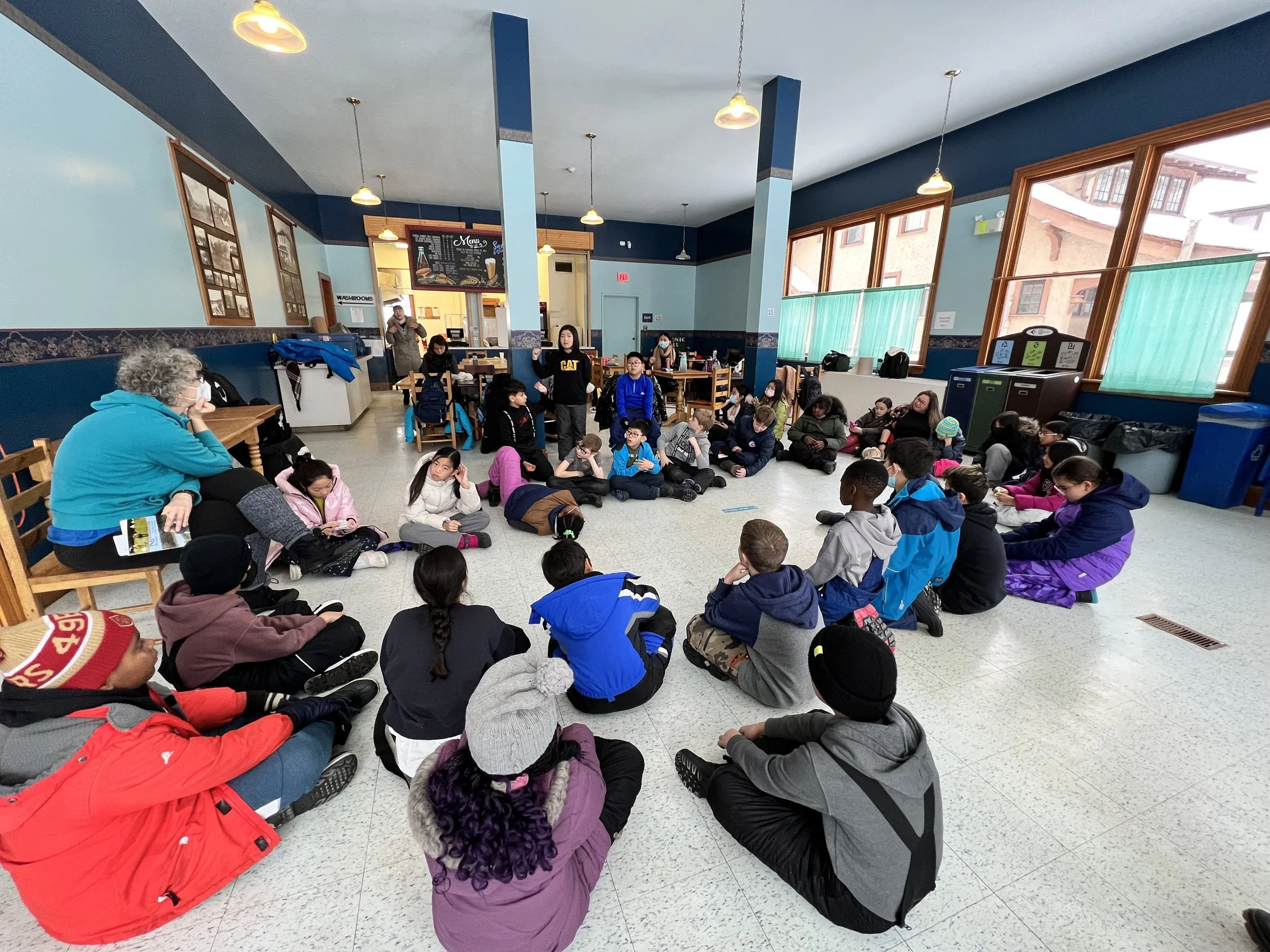
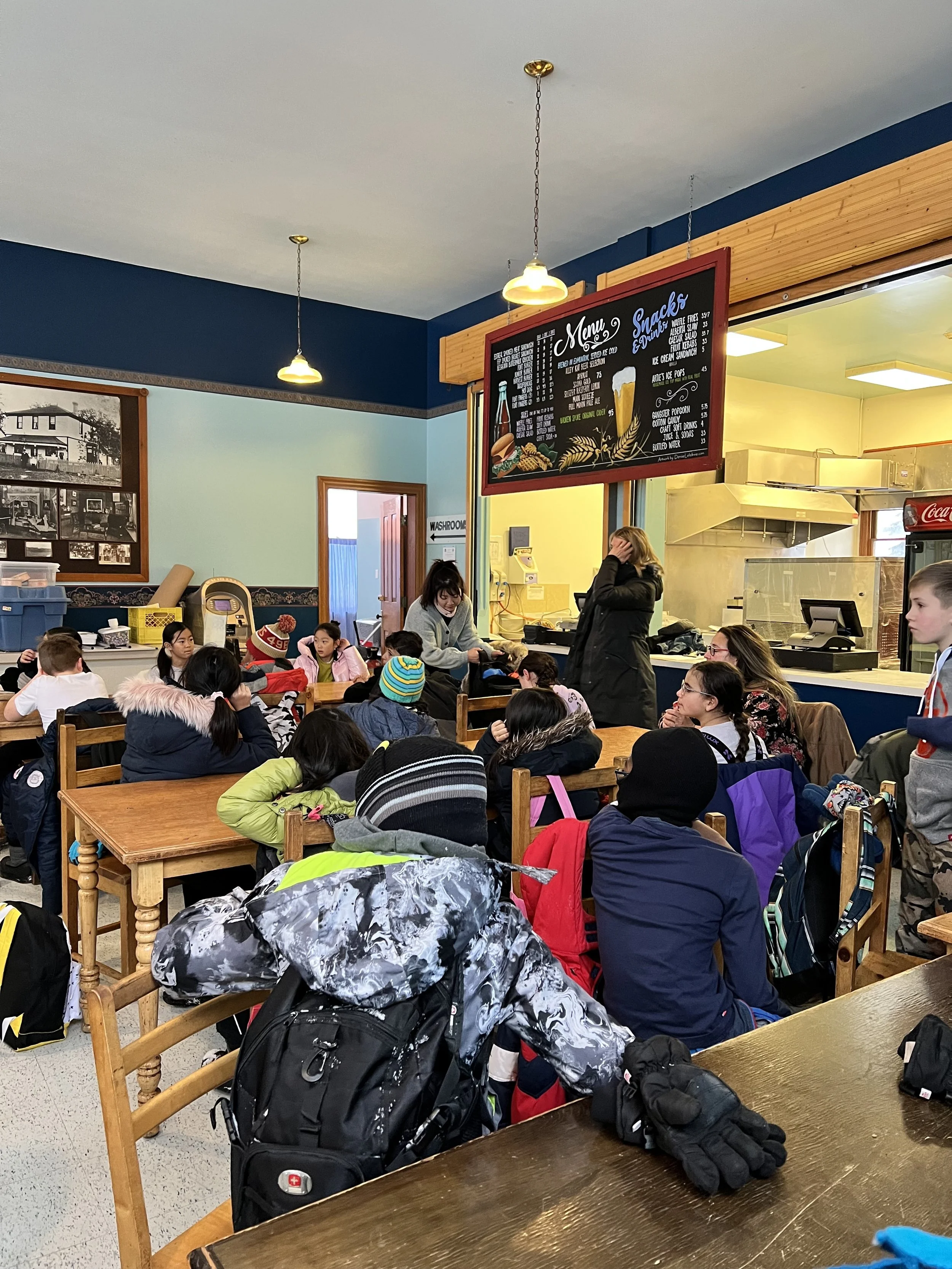
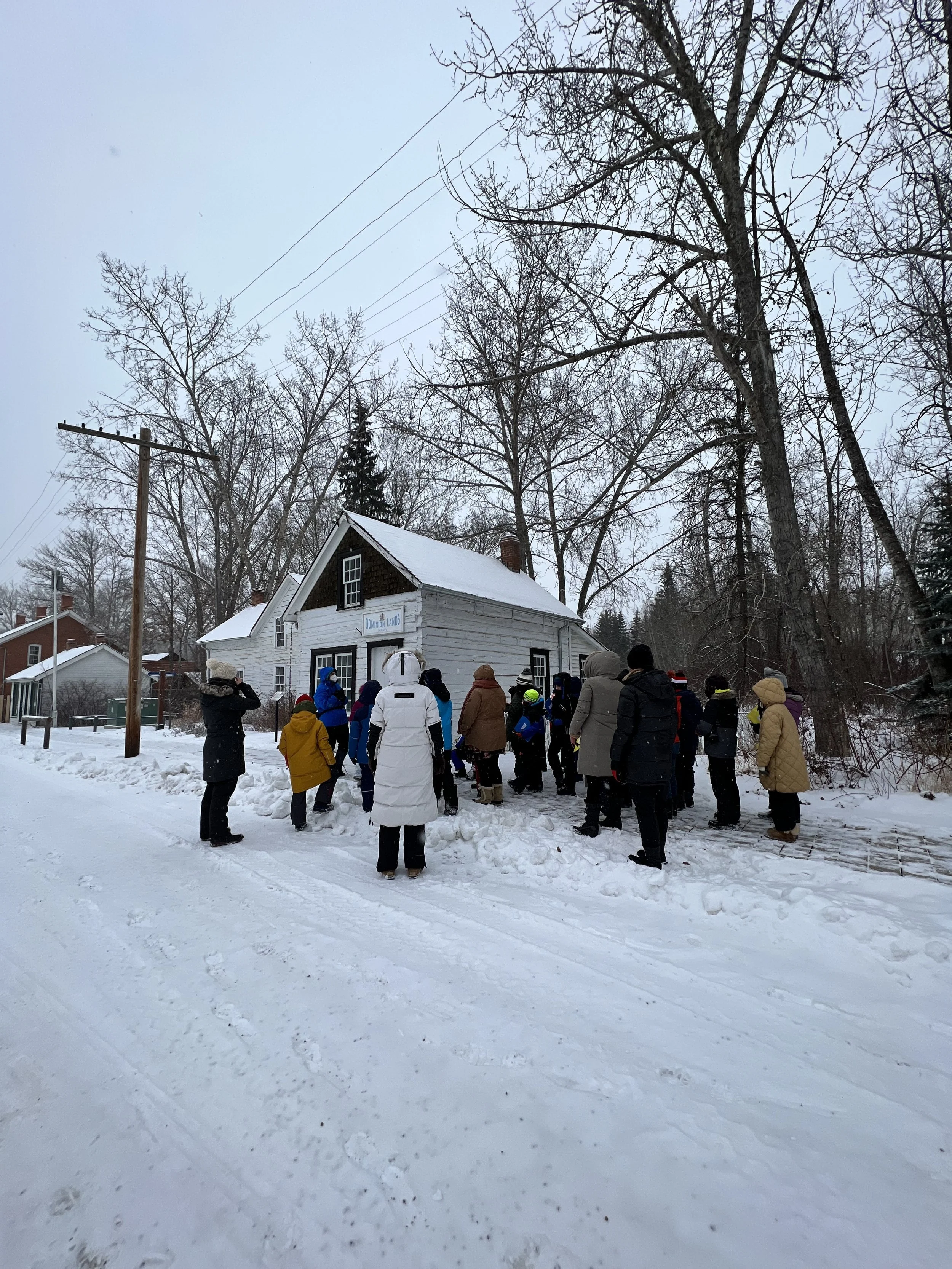
History becomes tangible through experiential field trips. When students visit historical sites and step into the role of a student from the 1920s, learning shifts from memorization to lived experience. They document observations, write diary entries, and reflect on the differences between past and present schooling. By participating in activities that highlight Indigenous and early Canadian ways of life, students develop a deeper and more respectful understanding of culture, resilience, and historical perspective.
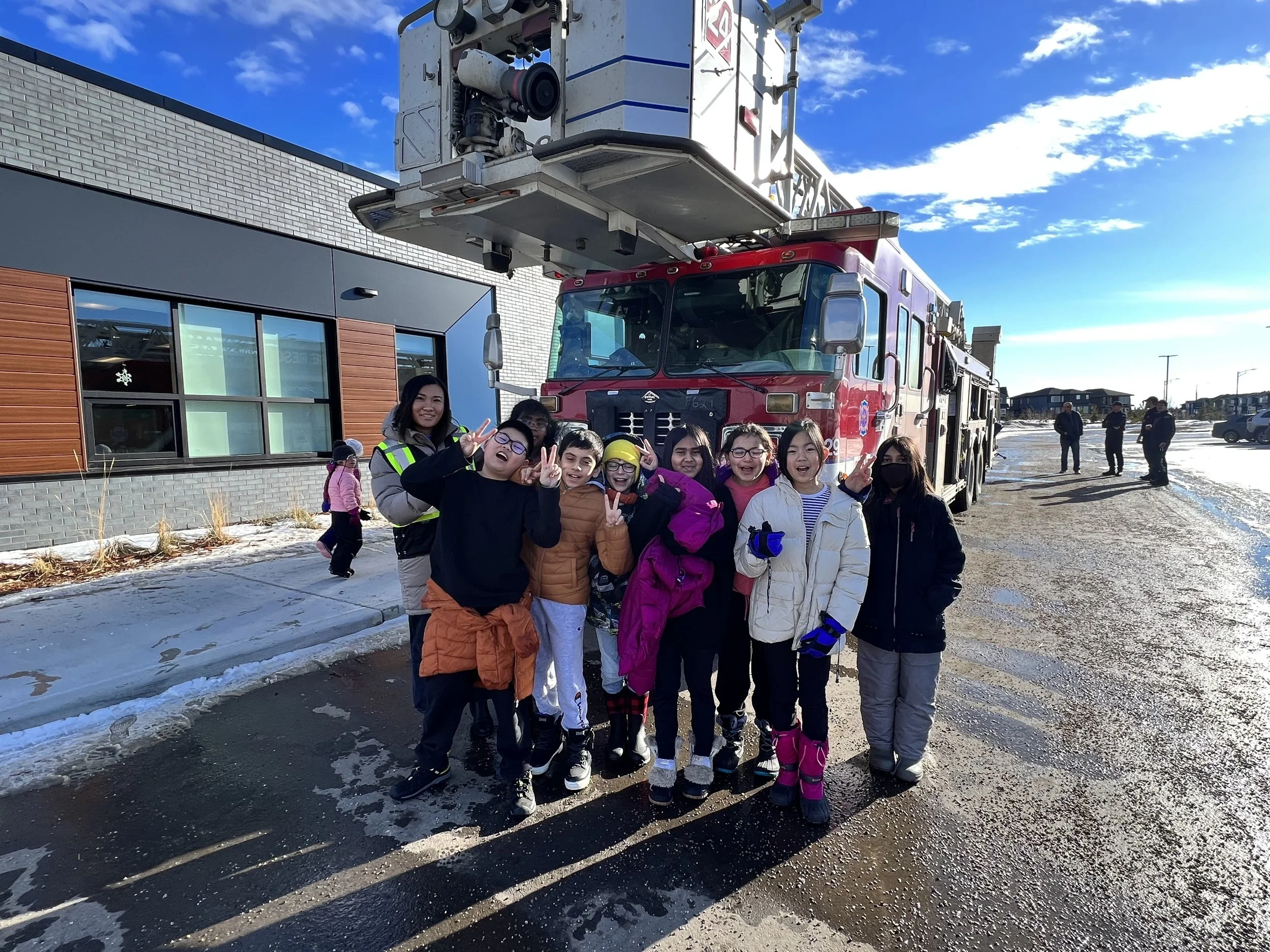
Fire safety is taught through direct interaction with firefighters. Students learn procedures, explore equipment, ask questions, and understand the real responsibilities of first responders. These authentic encounters make safety knowledge practical, memorable, and empowering.
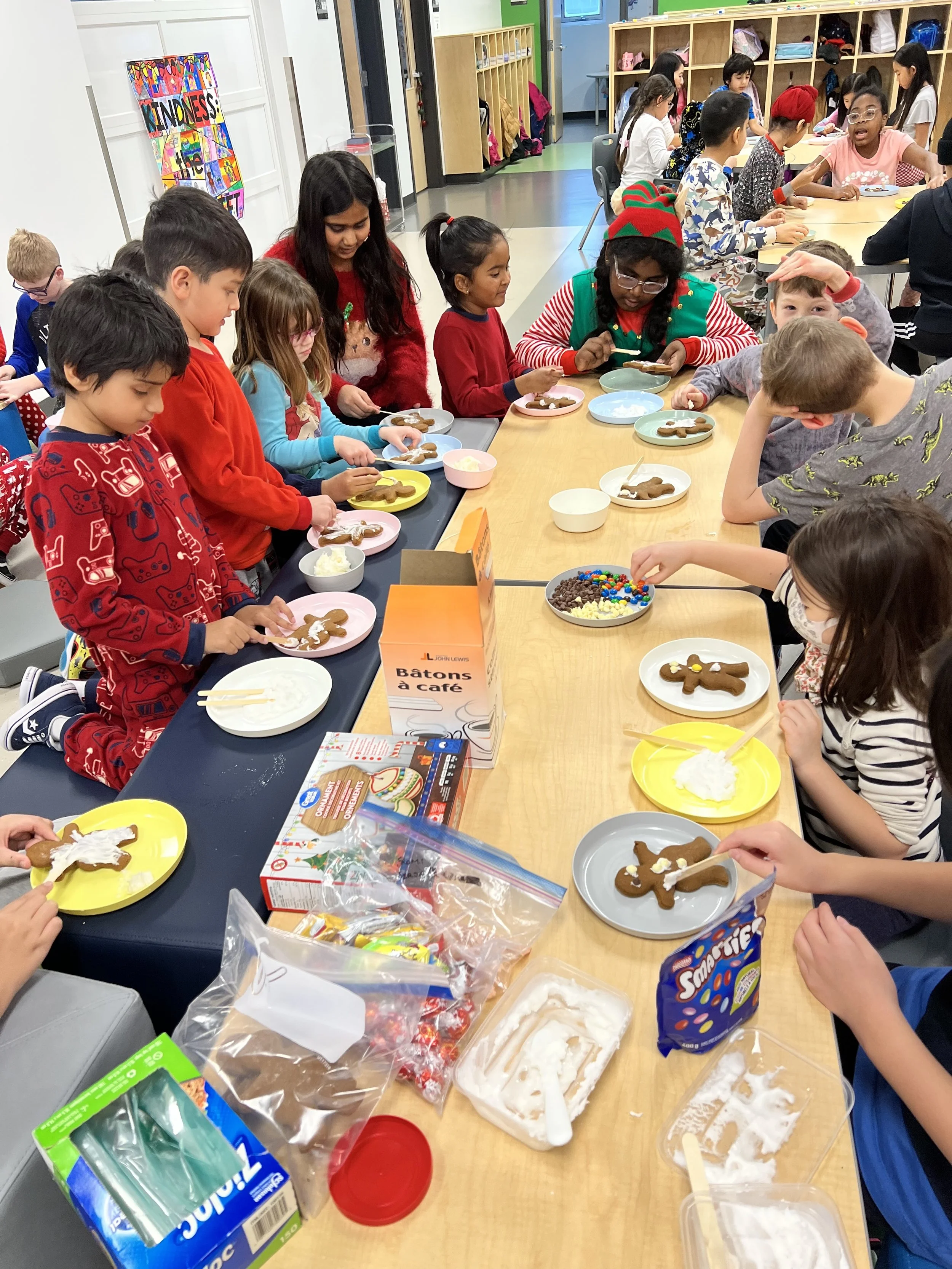
Students also develop responsibility and leadership by becoming big brother and big sister buddies to kindergarten students. They mentor younger learners through shared reading sessions, guide them in art activities, and model positive behavior. Through this experience, older students build empathy, patience, and accountability while recognizing their role as leaders within the school community.
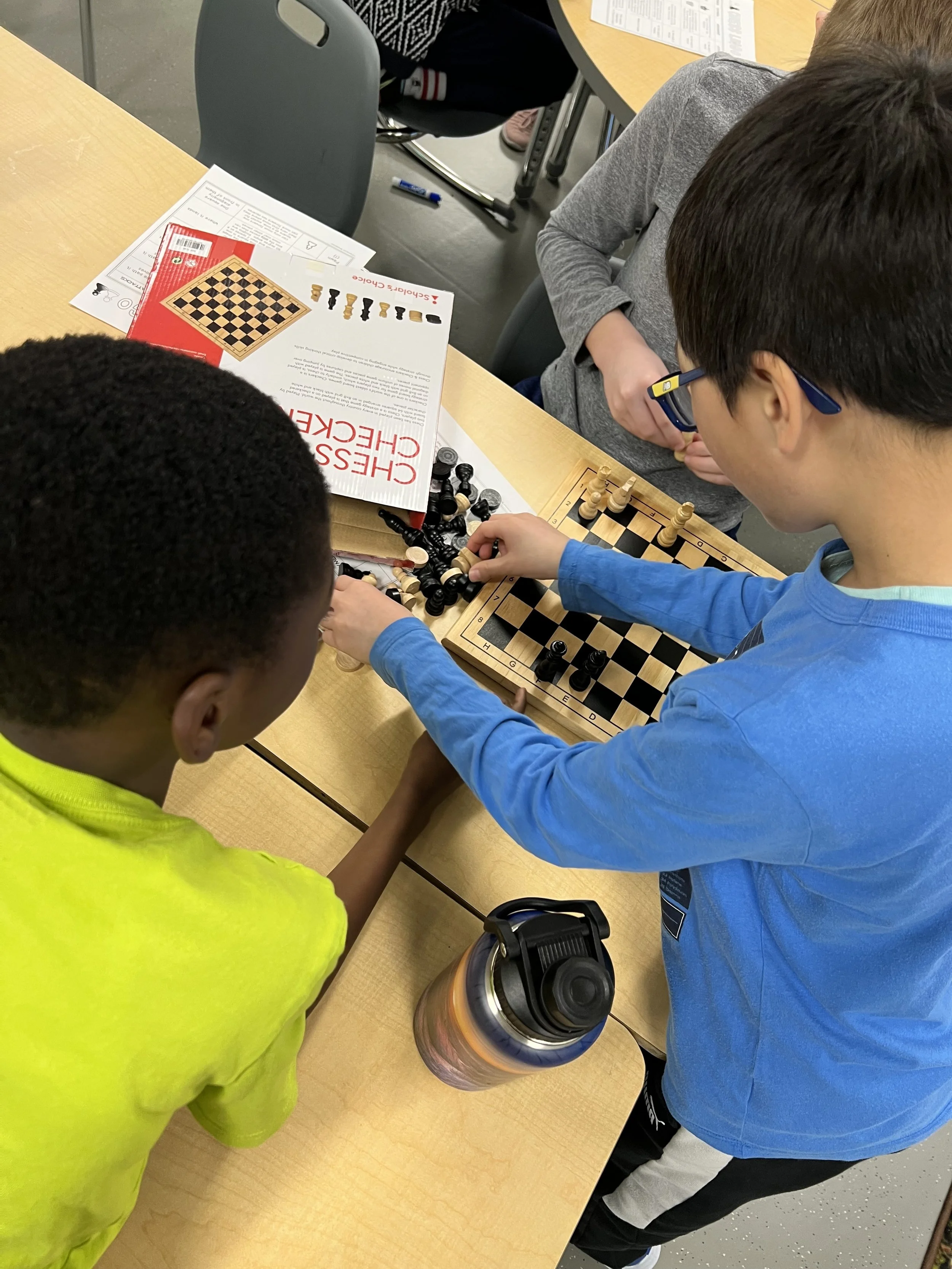
Strategic thinking and long term planning are strengthened through chess. Students learn to anticipate consequences, think multiple steps ahead, manage risks, and adapt their strategies. Chess becomes more than a game. It is a structured way to build focus, resilience, and disciplined decision making.
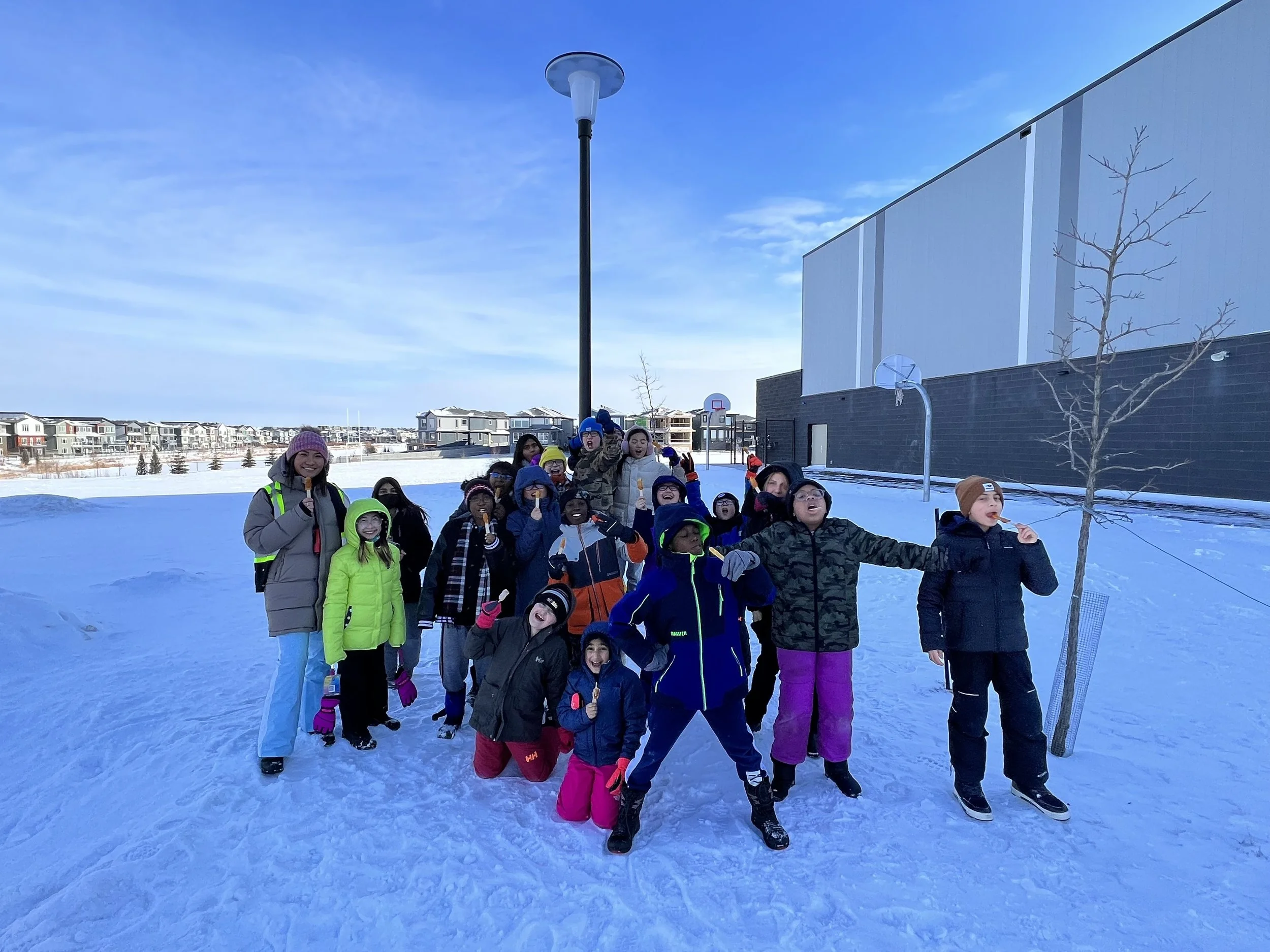
Even seasonal traditions become opportunities for applied learning. By helping organize a winter themed school event with different stations representing cultural aspects of Canadian winter life, students practice collaboration, planning, and community engagement. Learning becomes something they build, not just something they receive.
In my classroom, foundational knowledge is only the starting point. Real growth happens when students actively apply what they learn with purpose, responsibility, and connection to the world around them.
